Global Nucleic Acid Pharmaceuticals Utilizing microRNA Market
- An Outline of the Global Nucleic Acid Pharmaceuticals Utilizing microRNA Market
- Market Definition and Segmentation
- Study Assumptions and Abbreviations
- Research Methodology & Approach
- Primary Research
- Secondary Research
- Data Triangulation
- SPSS Methodology
- Executive Summary
- Growth Drivers
- Major Roadblocks
- Opportunities
- Prevalent Trends
- Government Regulation
- Growth Outlook
- Competitive White Space Analysis – Identifying Untapped Market Gaps
- Risk Overview
- SWOT
- Technological Advancement
- Technology Maturity Matrix for Automotive Aftermarket Fuel Additive
- Recent News
- Regional Demand
- Global Nucleic Acid Pharmaceuticals Utilizing microRNA by Geography – Strategic Comparative Analysis
- Strategic Segment Analysis: Nucleic Acid Pharmaceuticals Utilizing microRNA Demand Landscape
- Global Nucleic Acid Pharmaceuticals Utilizing microRNA Demand Trends Driven by Prevelance of Cardiovascular Diseases, Advancement in Neuro Research and Cancer Care 2026-2038)
- Root Cause Analysis (RCA) for discovering problems of the Nucleic Acid Pharmaceuticals Utilizing microRNA Porter Five Forces
- PESTLE
- Comparative Positioning
- Automotive Aftermarket Fuel Additive– Key Player Analysis (2038)
- Competitive Landscape: Key Suppliers/Players
- Competitive Model: A Detailed Inside View for Investors
- Company Market Share, 2038 (%)
- Business Profile of Key Enterprise
- Regulus Therapeutics Inc.
- Viridian Therapeutics
- Silence Therapeutics plc
- Synlogic, Inc.
- Alnylam Pharmaceuticals, Inc
- AstraZeneca plc
- Novartis AG
- Moderna, Inc
- BioNTech SE
- InteRNA Technologies B.V.
- Thermo Fisher Scientific Inc.
- Business Profile of Key Enterprise
- Global Nucleic Acid Pharmaceuticals Utilizing microRNA Market Outlook
- Market Overview
- Market Revenue by Value (USD Million), Volume (Million Tons), and Compound Annual Growth Rate (CAGR)
- Global Segmentation Nucleic Acid Pharmaceuticals Utilizing microRNA Analysis (2026-2038)
- By Product Type
- miRNA Mimics, Market Value (USD Million), and CAGR, 2026-2038F
- miRNA Inhibitors [Antagomiers], Market Value (USD Million), and CAGR, 2026-2038F
- miRNA Sponges, Market Value (USD Million), and CAGR, 2026-2038F
- Others, Market Value (USD Million), and CAGR, 2026-2038F
- By Application
- Oncology, Market Value (USD Million), and CAGR, 2026-2038F
- Cardiovascular Diseases, Market Value (USD Million), and CAGR, 2026-2038F
- Neurological Disorders, Market Value (USD Million), and CAGR, 2026-2038F
- Infectious Diseases, Market Value (USD Million), and CAGR, 2026-2038F
- Others, Market Value (USD Million), and CAGR, 2026-2038F
- By End user
- Pharmaceutical & Biotechnology Companies, Market Value (USD Million), and CAGR, 2026-2038F
- Academics & Research Institutes, Market Value (USD Million), and CAGR, 2026-2038F
- Contract Research Organization, Market Value (USD Million), and CAGR, 2026-2038F
- Others, Market Value (USD Million), and CAGR, 2026-2038F
- By Delivery Technology
- Lipid Nanoparticles Market Value (USD Million), and CAGR, 2026-2038F
- Polymeric Nanoparticles, Market Value (USD Million), and CAGR, 2026-2038F
- Exosomes, Market Value (USD Million), and CAGR, 2026-2038F
- Others, Market Value (USD Million), and CAGR, 2026-2038F
- Regional Synopsis, Value (USD Million), 2026-2038
- North America Market Value (USD Million) and CAGR & Y-o-Y Growth Trend, 2026-2038F
- Europe Market Value (USD Million) and CAGR & Y-o-Y Growth Trend, 2026-2038F
- Asia Pacific Market Value (USD Million) and CAGR & Y-o-Y Growth Trend, 2026-2038F
- Latin America Market Value (USD Million) and CAGR & Y-o-Y Growth Trend, 2026-2038F
- Middle East and Africa Market Value (USD Million) and CAGR & Y-o-Y Growth Trend, 2026-2038F
- By Product Type
- Market Overview
- North America Market
- Overview
- Market Value (USD Million), Current and Future Projections, 2026-2038
- Increment $ Opportunity Assessment, 2026-2038
- Segmentation (USD Million), 2026-2038, By
- By Product Type
- miRNA Mimics, Market Value (USD Million), and CAGR, 2026-2038F
- miRNA Inhibitors [Antagomiers], Market Value (USD Million), and CAGR, 2026-2038F
- miRNA Sponges, Market Value (USD Million), and CAGR, 2026-2038F
- Others, Market Value (USD Million), and CAGR, 2026-2038F
- By Application
- Oncology, Market Value (USD Million), and CAGR, 2026-2038F
- Cardiovascular Diseases, Market Value (USD Million), and CAGR, 2026-2038F
- Neurological Disorders, Market Value (USD Million), and CAGR, 2026-2038F
- Infectious Diseases, Market Value (USD Million), and CAGR, 2026-2038F
- Others, Market Value (USD Million), and CAGR, 2026-2038F
- By End user
- Pharmaceutical & Biotechnology Companies, Market Value (USD Million), and CAGR, 2026-2038F
- Academics & Research Institutes, Market Value (USD Million), and CAGR, 2026-2038F
- Contract Research Organization, Market Value (USD Million), and CAGR, 2026-2038F
- Others, Market Value (USD Million), and CAGR, 2026-2038F
- By Delivery Technology
- Lipid Nanoparticles Market Value (USD Million), and CAGR, 2026-2038F
- Polymeric Nanoparticles, Market Value (USD Million), and CAGR, 2026-2038F
- Exosomes, Market Value (USD Million), and CAGR, 2026-2038F
- Others, Market Value (USD Million), and CAGR, 2026-2038F
- Country Level Analysis, Value (USD Million)
- U.S. Market Value (USD Million) and CAGR & Y-o-Y Growth Trend, 2026-2038F
- Canada Market Value (USD Million) and CAGR & Y-o-Y Growth Trend, 2026-2038F
- By Product Type
- Overview
- Europe Market
- Overview
- Market Value (USD Million), Current and Future Projections, 2026-2038
- Increment $ Opportunity Assessment, 2026-2038
- Segmentation (USD Million), 2026-2038, By
- By Product Type
- miRNA Mimics, Market Value (USD Million), and CAGR, 2026-2038F
- miRNA Inhibitors [Antagomiers], Market Value (USD Million), and CAGR, 2026-2038F
- miRNA Sponges, Market Value (USD Million), and CAGR, 2026-2038F
- Others, Market Value (USD Million), and CAGR, 2026-2038F
- By Application
- Oncology, Market Value (USD Million), and CAGR, 2026-2038F
- Cardiovascular Diseases, Market Value (USD Million), and CAGR, 2026-2038F
- Neurological Disorders, Market Value (USD Million), and CAGR, 2026-2038F
- Infectious Diseases, Market Value (USD Million), and CAGR, 2026-2038F
- Others, Market Value (USD Million), and CAGR, 2026-2038F
- By End user
- Pharmaceutical & Biotechnology Companies, Market Value (USD Million), and CAGR, 2026-2038F
- Academics & Research Institutes, Market Value (USD Million), and CAGR, 2026-2038F
- Contract Research Organization, Market Value (USD Million), and CAGR, 2026-2038F
- Others, Market Value (USD Million), and CAGR, 2026-2038F
- By Delivery Technology
- Lipid Nanoparticles Market Value (USD Million), and CAGR, 2026-2038F
- Polymeric Nanoparticles, Market Value (USD Million), and CAGR, 2026-2038F
- Exosomes, Market Value (USD Million), and CAGR, 2026-2038F
- Others, Market Value (USD Million), and CAGR, 2026-2038F
- Country Level Analysis, Value (USD Million)
- UK Market Value (USD Million) and CAGR & Y-o-Y Growth Trend, 2026-2038F
- Germany Market Value (USD Million) and CAGR & Y-o-Y Growth Trend, 2026-2038F
- France Market Value (USD Million) and CAGR & Y-o-Y Growth Trend, 2026-2038F
- Italy Market Value (USD Million) and CAGR & Y-o-Y Growth Trend, 2026-2038F
- Spain Market Value (USD Million) and CAGR & Y-o-Y Growth Trend, 2026-2038F
- Netherlands Market Value (USD Million) and CAGR & Y-o-Y Growth Trend, 2026-2038F
- Russia Market Value (USD Million) and CAGR & Y-o-Y Growth Trend, 2026-2038F
- Switzerland Market Value (USD Million) and CAGR & Y-o-Y Growth Trend, 2026-2038F
- Poland Market Value (USD Million) and CAGR & Y-o-Y Growth Trend, 2026-2038F
- Belgium Market Value (USD Million) and CAGR & Y-o-Y Growth Trend, 2026-2038F
- Rest of Europe Market Value (USD Million) and CAGR & Y-o-Y Growth Trend, 2026-2038F
- By Product Type
- Overview
- Asia Pacific Market
- Overview
- Market Value (USD Million), Current and Future Projections, 2026-2038
- Increment $ Opportunity Assessment, 2026-2038
- Segmentation (USD Million), 2026-2038, By
- By Product Type
- miRNA Mimics, Market Value (USD Million), and CAGR, 2026-2038F
- miRNA Inhibitors [Antagomiers], Market Value (USD Million), and CAGR, 2026-2038F
- miRNA Sponges, Market Value (USD Million), and CAGR, 2026-2038F
- Others, Market Value (USD Million), and CAGR, 2026-2038F
- By Application
- Oncology, Market Value (USD Million), and CAGR, 2026-2038F
- Cardiovascular Diseases, Market Value (USD Million), and CAGR, 2026-2038F
- Neurological Disorders, Market Value (USD Million), and CAGR, 2026-2038F
- Infectious Diseases, Market Value (USD Million), and CAGR, 2026-2038F
- Others, Market Value (USD Million), and CAGR, 2026-2038F
- By End user
- Pharmaceutical & Biotechnology Companies, Market Value (USD Million), and CAGR, 2026-2038F
- Academics & Research Institutes, Market Value (USD Million), and CAGR, 2026-2038F
- Contract Research Organization, Market Value (USD Million), and CAGR, 2026-2038F
- Others, Market Value (USD Million), and CAGR, 2026-2038F
- By Delivery Technology
- Lipid Nanoparticles Market Value (USD Million), and CAGR, 2026-2038F
- Polymeric Nanoparticles, Market Value (USD Million), and CAGR, 2026-2038F
- Exosomes, Market Value (USD Million), and CAGR, 2026-2038F
- Others, Market Value (USD Million), and CAGR, 2026-2038F
- Country Level Analysis, Value (USD Million)
- China Market Value (USD Million) and CAGR & Y-o-Y Growth Trend, 2026-2038F
- India Market Value (USD Million) and CAGR & Y-o-Y Growth Trend, 2026-2038F
- South Korea Market Value (USD Million) and CAGR & Y-o-Y Growth Trend, 2026-2038F
- Australia Market Value (USD Million) and CAGR & Y-o-Y Growth Trend, 2026-2038F
- Indonesia Market Value (USD Million) and CAGR & Y-o-Y Growth Trend, 2026-2038F
- Malaysia Market Value (USD Million) and CAGR & Y-o-Y Growth Trend, 2026-2038F
- Vietnam Market Value (USD Million) and CAGR & Y-o-Y Growth Trend, 2026-2038F
- Thailand Market Value (USD Million) and CAGR & Y-o-Y Growth Trend, 2026-2038F
- Singapore Market Value (USD Million) and CAGR & Y-o-Y Growth Trend, 2026-2038F
- New Zeeland Market Value (USD Million) and CAGR & Y-o-Y Growth Trend, 2026-2038F
- Rest of Asia Pacific Excluding Japan Market Value (USD Million) and CAGR & Y-o-Y Growth Trend, 2026-2038F
- By Product Type
- Overview
- Latin America Market
- Overview
- Market Value (USD Million), Current and Future Projections, 2026-2038
- Increment $ Opportunity Assessment, 2026-2038
- Year-on-Year Growth Forecast (%)
- Segmentation (USD Million), 2026-2038, By
- By Product Type
- miRNA Mimics, Market Value (USD Million), and CAGR, 2026-2038F
- miRNA Inhibitors [Antagomiers], Market Value (USD Million), and CAGR, 2026-2038F
- miRNA Sponges, Market Value (USD Million), and CAGR, 2026-2038F
- Others, Market Value (USD Million), and CAGR, 2026-2038F
- By Application
- Oncology, Market Value (USD Million), and CAGR, 2026-2038F
- Cardiovascular Diseases, Market Value (USD Million), and CAGR, 2026-2038F
- Neurological Disorders, Market Value (USD Million), and CAGR, 2026-2038F
- Infectious Diseases, Market Value (USD Million), and CAGR, 2026-2038F
- Others, Market Value (USD Million), and CAGR, 2026-2038F
- By End user
- Pharmaceutical & Biotechnology Companies, Market Value (USD Million), and CAGR, 2026-2038F
- Academics & Research Institutes, Market Value (USD Million), and CAGR, 2026-2038F
- Contract Research Organization, Market Value (USD Million), and CAGR, 2026-2038F
- Others, Market Value (USD Million), and CAGR, 2026-2038F
- By Delivery Technology
- Lipid Nanoparticles Market Value (USD Million), and CAGR, 2026-2038F
- Polymeric Nanoparticles, Market Value (USD Million), and CAGR, 2026-2038F
- Exosomes, Market Value (USD Million), and CAGR, 2026-2038F
- Others, Market Value (USD Million), and CAGR, 2026-2038F
- Country Level Analysis, Value (USD Million)
- Brazil Market Value (USD Million) and CAGR & Y-o-Y Growth Trend, 2026-2038F
- Argentina Market Value (USD Million) and CAGR & Y-o-Y Growth Trend, 2026-2038F
- Mexico Market Value (USD Million) and CAGR & Y-o-Y Growth Trend, 2026-2038F
- Rest of Latin America Market Value (USD Million) and CAGR & Y-o-Y Growth Trend, 2026-2038F
- By Product Type
- Overview
- Middle East & Africa Market
- Overview
- Market Value (USD Million), Current and Future Projections, 2026-2038
- Increment $ Opportunity Assessment, 2026-2038
- Year-on-Year Growth Forecast (%)
- Segmentation (USD Million), 2026-2038, By
- By Product Type
- miRNA Mimics, Market Value (USD Million), and CAGR, 2026-2038F
- miRNA Inhibitors [Antagomiers], Market Value (USD Million), and CAGR, 2026-2038F
- miRNA Sponges, Market Value (USD Million), and CAGR, 2026-2038F
- Others, Market Value (USD Million), and CAGR, 2026-2038F
- By Application
- Oncology, Market Value (USD Million), and CAGR, 2026-2038F
- Cardiovascular Diseases, Market Value (USD Million), and CAGR, 2026-2038F
- Neurological Disorders, Market Value (USD Million), and CAGR, 2026-2038F
- Infectious Diseases, Market Value (USD Million), and CAGR, 2026-2038F
- Others, Market Value (USD Million), and CAGR, 2026-2038F
- By End user
- Pharmaceutical & Biotechnology Companies, Market Value (USD Million), and CAGR, 2026-2038F
- Academics & Research Institutes, Market Value (USD Million), and CAGR, 2026-2038F
- Contract Research Organization, Market Value (USD Million), and CAGR, 2026-2038F
- Others, Market Value (USD Million), and CAGR, 2026-2038F
- By Delivery Technology
- Lipid Nanoparticles Market Value (USD Million), and CAGR, 2026-2038F
- Polymeric Nanoparticles, Market Value (USD Million), and CAGR, 2026-2038F
- Exosomes, Market Value (USD Million), and CAGR, 2026-2038F
- Others, Market Value (USD Million), and CAGR, 2026-2038F
- Country Level Analysis, Value (USD Million)
- Saudi Arabia Market Value (USD Million) and CAGR & Y-o-Y Growth Trend, 2026-2038F
- UAE Market Value (USD Million) and CAGR & Y-o-Y Growth Trend, 2026-2038F
- Israel Market Value (USD Million) and CAGR & Y-o-Y Growth Trend, 2026-2038F
- Qatar Market Value (USD Million) and CAGR & Y-o-Y Growth Trend, 2026-2038F
- Kuwait Market Value (USD Million) and CAGR & Y-o-Y Growth Trend, 2026-2038F
- Oman Market Value (USD Million) and CAGR & Y-o-Y Growth Trend, 2026-2038F
- South Africa Market Value (USD Million) and CAGR & Y-o-Y Growth Trend, 2026-2038F
- Rest of Middle East & Africa Market Value (USD Million) and CAGR & Y-o-Y Growth Trend, 2026-2038F
- By Product Type
- Overview
- Global Economic Scenario
- World Economic Outlook
- About Research Nester
- Our Global Clientele
- We Serve Clients Across World
Nucleic Acid Pharmaceuticals Utilizing microRNA Market Outlook:
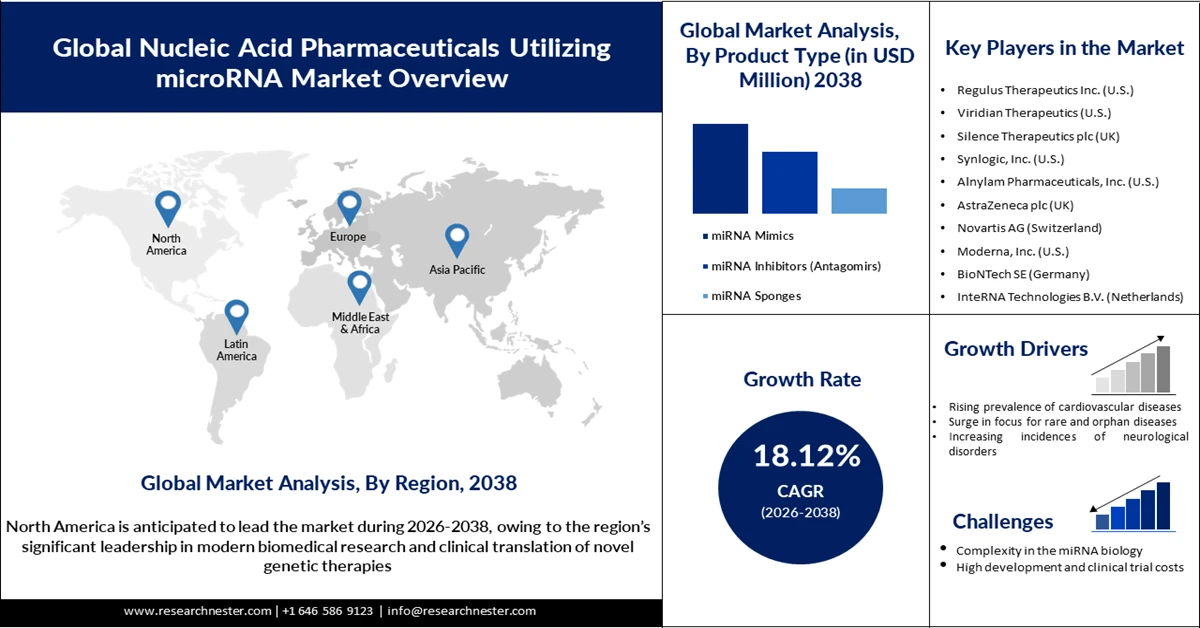
Nucleic Acid Pharmaceuticals Utilizing microRNA Market size was valued at USD 598.38 million in 2025 and is projected to reach USD 5.22 billion by the end of 2038, rising at a CAGR of 18.12% during the forecast period i.e., 2026-2038. In 2026, the industry size of nucleic acid pharmaceuticals utilizing microRNA (miRNA) is estimated at USD 708.56 million.
The growing demand for nucleic acid pharmaceuticals utilizing microRNA (miRNA) in cancer treatment is fueling market growth. These miRNAs are significantly involved in regulating abnormal gene expression, which drives tumor growth and metastasis. These therapies work by inhibiting oncogenic miRNAs or by replacing tumor suppressor miRNAs, which are lost in cancer cells. The old targeted therapies and conventional chemotherapy face constraints such as resistance and toxicity, whereas miRNA therapeutics offer a novel mechanism of action by simultaneously targeting a myriad of oncogenic pathways. According to the World Cancer Research Fund in 2022, there were projected to be 20 million cases of cancer across the globe, which is further acting as a catalyst for the growth of the nucleic acid pharmaceuticals utilizing microRNA (miRNA) market.
Other than this, the surge in the development of precision medicine is propelling the growth of the market by transitioning the therapeutic focus from one-size-fits-all strategies to highly customized interventions. Precision medicine uses molecular profiling and epigenetics to identify diseases, which is fostering microRNA-based therapeutics that can modulate gene expression with significantly high specificity. Furthermore, the inclusion of precision medicine focuses on biomarker-driven treatment strategies, broadening the applications across rare diseases and oncology. These dynamics are fostering strategic collaborations as well as investments and further strengthening the nucleic acid pharmaceuticals utilizing microRNA (miRNA) market growth trajectory.
Projected Benefits of Precision Therapies by 2036
|
Category |
Australia |
China |
South Korea |
|
Improved outcomes |
250k patients |
10.5 Mn patients |
400k patients |
|
Invested in R&D, diagnostics, and manufacturing |
USD 32 Bn |
USD 200 Bn |
USD 44 Bn |
|
Avoided healthcare costs |
$2.6 Bn AUD |
¥216 Bn RMB |
₩2.2 Tn KRW |
Source: WEF
Key Nucleic Acid Pharmaceuticals Utilizing microRNA Market Insights Summary:
Regional Highlights:
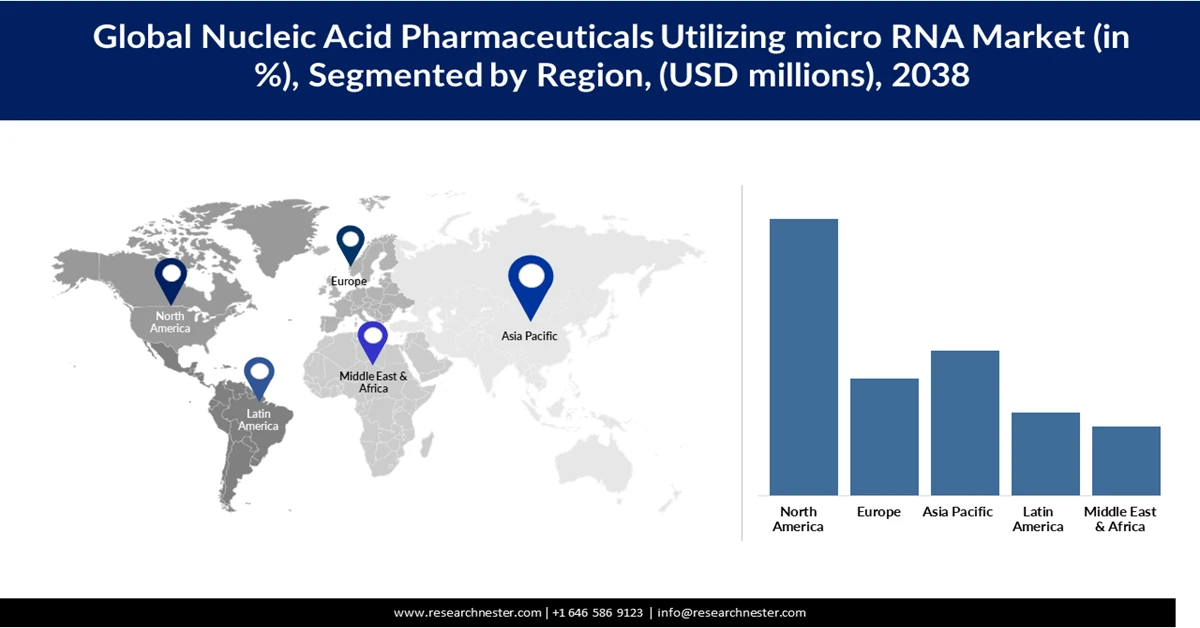
- North America is projected to command around 40% share by 2038 in the nucleic acid pharmaceuticals utilizing microRNA market, reflecting its strong commercialization outlook supported by deep-rooted biomedical research capabilities and robust clinical translation of genetic therapies.
- Asia Pacific is anticipated to witness accelerated expansion during the forecast period, strengthened by rising chronic disease prevalence and rapidly scaling domestic oligonucleotide manufacturing infrastructure across key economies.
Segment Insights:
- The miRNA mimics segment is projected to account for nearly 50% share by 2038 in the nucleic acid pharmaceuticals utilizing microRNA market, as its ability to restore lost endogenous microRNA function positions it as a highly effective approach for correcting complex molecular dysregulation across multiple diseases, supported by a rapidly expanding and well-funded clinical pipeline.
- The oncology segment is expected to secure around 40% share by 2038, as the central involvement of microRNAs in tumor progression and therapeutic resistance creates multiple actionable targets for nucleic acid–based interventions amid persistent unmet needs in cancer treatment.
Key Growth Trends:
- Rising prevalence of cardiovascular diseases
- Surge in focus for rare and orphan diseases
Major Challenges:
- Complexity in the miRNA biology
- High development and clinical trial costs
Key Players: Regulus Therapeutics Inc. (U.S.), Viridian Therapeutics (U.S.), Silence Therapeutics plc (UK), Synlogic, Inc. (U.S.), Alnylam Pharmaceuticals, Inc. (U.S.), AstraZeneca plc (UK), Novartis AG (Switzerland), Moderna, Inc. (U.S.), BioNTech SE (Germany), InteRNA Technologies B.V. (Netherlands), Thermo Fisher Scientific Inc. (U.S.), GeneCopoeia, Inc. (U.S.)
Global Nucleic Acid Pharmaceuticals Utilizing microRNA Market Forecast and Regional Outlook:
Market Size & Growth Projections:
- 2025 Market Size: USD 598.38 million
- 2026 Market Size: USD 708.56 million
- Projected Market Size: USD 5.22 billion by 2038
- Growth Forecasts: 18.12% CAGR (2026-2038)
Key Regional Dynamics:
- Largest Region: North America (40% Share by 2038)
- Fastest Growing Region: Europe
- Dominating Countries: United States, Germany, Japan, China, United Kingdom
- Emerging Countries: India, South Korea, Brazil, Saudi Arabia, Australia
Last updated on : 3 February, 2026
Nucleic Acid Pharmaceuticals Utilizing microRNA Market - Growth Drivers and Challenges
Growth Drivers
- Rising prevalence of cardiovascular diseases: The rising prevalence of cardiovascular diseases is prominently augmenting the growth of the nucleic acid pharmaceuticals utilizing microRNA (miRNA) market. The miRNAs play a pivotal role in regulating prominent cardiac processes such as fibrosis, cardiomyocyte apoptosis, etc. With the burgeoning burden of conditions such as a sedentary lifestyle and an aging population, there is heightened demand for disease-modifying and targeted therapies beyond utilizing any conventional small-molecular drugs. The inclusion of miRNA-based nucleic acid therapeutics fosters precise modulation of dysregulated gene networks and enables early intervention and enhanced clinical outcomes. According to data published by the World Health Organization, an estimated 19.8 million people died from cardiovascular diseases in the year 2022, accounting for 32% of the worldwide deaths. The escalating burden of cardiovascular disease is speeding up the investment.
- Surge in focus for rare and orphan diseases: The miRNA-based therapies render a flexible and significantly targeted approach to acknowledge the intricate molecular and genetic dysregulation that are causing numerous rare disorders. A prominent growth driver is heightened recognition that a vast portion of rare diseases involve aberrant gene expression pathways, making them well-suited for miRNA modulation strategies. Also, various supportive frameworks, such as tax incentives and speedy approval for pathways, are prominently lowering the development risks and enhancing return on investment for companies that are developing miRNA-based nucleic acid therapeutics. According to the National Institutes of Health in 2023, there are more than 7000 orphan diseases affecting more than 350 million people globally. The rising number is accelerating the clinical trial activities and pipeline expansion, further positioning are and orphan disease targeting as a critical growth engine for the global miRNA-based nucleic acid pharmaceuticals market.
- Increasing incidences of neurological disorders: The surge in incidences of neurological disorders such as Parkinson’s, multiple sclerosis, stroke, etc., is significantly propelling the growth of the market. miRNAs act as central regulators of synaptic plasticity and neuroinflammation. There has been a surge in the burden of neurological conditions, driven by genetic predisposition and an aging population, which has intensified the demand for precision-targeted therapies. miRNA-based nucleic acid pharmaceuticals foster targeted modulation of dysregulated gene networks. Furthermore, there are advancements in lipid nanoparticles, and chemically modified oligonucleotides are capable of bypassing the blood–brain barrier. According to the American Parkinson's Disease Association in September 2024, 1 out of every 336 people is living with PD in the U.S.
Challenges
- Complexity in the miRNA biology: The highly nuanced nature of miRNA regulations makes it significantly difficult to generate nucleic acid–based drugs. Even a single miRNA can affect several genes at the same time, and its effect can vary depending on the basis of tissue involved or on the basis of advancement of diseases. It is significantly difficult to predict how the miRNA-based drug will actually behave in the body, and there is a greater likelihood that it might affect even the untargeted genes. Additionally, miRNAs perform similar functions, so enhancing or blocking 1 miRNA might not always generate the projected results.
- High development and clinical trial costs: The cost associated with the development of the miRNA-based pharmaceuticals is prominently exorbitant. This is due to the surge in need for modern chemical modifications and sophisticated delivery systems, such as viral vectors, to ensure targeted delivery. Additionally, miRNA therapeutics need exhaustive preclinical studies to find out off targets effects and long-term safety, further raising the early-stage expenditure. Various regulatory requirements for nucleic acid drugs are significantly strict, resulting in additional costs associated with compliance, quality control, and post-approval surveillance.
Nucleic Acid Pharmaceuticals Utilizing microRNA Market Size and Forecast:
| Report Attribute | Details |
|---|---|
|
Base Year |
2025 |
|
Forecast Year |
2026-2038 |
|
CAGR |
18.12% |
|
Base Year Market Size (2025) |
USD 598.38 million |
|
Forecast Year Market Size (2038) |
USD 5.22 billion |
|
Regional Scope |
|
Nucleic Acid Pharmaceuticals Utilizing microRNA Market Segmentation:
Product Type Segment Analysis
The miRNA mimics segment is predicted to gain the largest market share, 50%, primarily due to its considerable therapeutic relevance in acknowledging various diseases caused by the absolute loss of endogenous microRNAs. These miRNA mimics function by rehabilitating the absent regulatory modules, fostering the direct correction of disease-driving molecular imbalances. This restorative mechanism makes miRNA mimics mainly efficacious in multifactorial diseases such as fibrosis, CVDs, cancer, etc. Furthermore, the segment gets benefits from a widely expanding clinical pipeline, developing various miRNA mimic candidates, generating safe and efficient data that attract sustained investment.
Application Segment Analysis
The oncology segment is anticipated to grow significantly, acquiring a market share of 40%, mainly due to the pivotal role of microRNAs in cancer therapeutic resistance. These factors make them significantly attractive targets for nucleic acid–based pharmaceutical interventions. Abnormal miRNA expression is a hallmark of nearly all prominent types of cancer, with specific miRNAs functioning as tumor suppressors or oncogenes, thereby rendering multiple actionable entry points for therapeutic development. The growth of the segment is further aided by substantial unmet medical needs in oncology. Additionally, technological advancements in the tumor-targeted delivery systems have further increased the feasibility of miRNA therapeutics in cancer treatment by enhancing the tumor accumulation and lowering the toxicity of the system.
End-user Segment Analysis
The pharmaceutical & biotechnology companies’ segment is predicted to hold the largest market share of 62% during the forecasted period. The growth is driven by the significant financial capacity and modern research and development expertise of these companies. These companies are at the vanguard of the innovation of miRNA-based therapeutic innovation and are actively investing in the preclinical validation and conducting late-stage clinical trials across rare disease indications, oncology, cardiovascular, etc. These companies can incorporate state-of-the-art technologies – such as biomarker-driven clinical trial designs and chemically modified oligonucleotides, which enable faster translation of research into viable therapies.
Our in-depth analysis of the nucleic acid pharmaceuticals utilizing microRNA (miRNA) market includes the following segments:
|
Segments |
Sub segments |
|
Product Type |
|
|
Application |
|
|
End user |
|
|
Delivery Technology |
|

Vishnu Nair
Head - Global Business DevelopmentCustomize this report to your requirements — connect with our consultant for personalized insights and options.
Nucleic Acid Pharmaceuticals Utilizing microRNA Market - Regional Analysis
North America Market Insights
The North America nucleic acid pharmaceuticals utilizing microRNA market is likely to garner 40% share during the forecasted period. The growth of the market can be primarily attributed to the region’s significant leadership in modern biomedical research and clinical translation of novel genetic therapies. The region hosts a dense cluster of globally acknowledged pharmaceutical and biotechnology companies allocating significant capital in miRNA therapeutics. The region also gets benefits from private research and development funding, which is accelerating the early-stage discovery.
The market in the U.S. is experiencing robust growth on the back of both clinical and structural growth drivers. Also, the humongous investment in RNA-based drug research from academic institutions and biopharmaceutical companies, resulting in active development of miRNA mimics and inhibitors to address complex diseases at the genetic and epigenetic levels. There is a continuous advancement in delivery technologies and next-generation sequencing that are improving the targeting accuracy. In June 2024, a study sponsored by the City of Hope Medical Center endeavored to profile genome-wide miRNAs and apply machine learning to find optimal biomarker candidates and corroborate miRNA signatures for early cancer detection. This type of clinical research directly supports the growth of the nucleic acid pharmaceuticals utilizing microRNA (miRNA) market by modernizing the clinical utility of the miRNAs in diagnostic and screening applications. The surge in cases of cancer in the country is also acting as a catalyst for the growth of the market.
Estimated New Cancer Cases and Deaths by Sex, United States, 2025
|
Cancer Site |
New Cases (Both Sexes) |
Deaths (Both Sexes) |
|
All cancer sites |
2,041,910 |
618,120 |
|
Oral cavity & pharynx |
59,660 |
12,770 |
|
Digestive system (total) |
362,200 |
174,520 |
|
Esophagus |
22,070 |
16,250 |
|
Stomach |
30,300 |
10,780 |
|
Small intestine |
13,920 |
2,060 |
|
Colon & rectum |
154,270 |
52,900 |
Source: American Cancer Society
The market in Canada is also witnessing staggering growth, driven by the presence of a strong research infrastructure. The country has a robust ecosystem for biotechnology and genomic research, pioneered by the world-class institutes such as Vancouver’s Genome British Columbia and the University of Toronto, which is propelling the discovery of novel miRNA targets and speeding up the early-stage therapeutic innovation. Moreover, the country’s participation in international clinical trials and collaborative partnerships with European and U.S. biotech companies is expanding access to state-of-the-art miRNA technologies.
Asia Pacific Market Insights
The nucleic acid pharmaceuticals utilizing microRNA (miRNA) market in the Asia Pacific is witnessing strong growth driven by the surge in incidence and awareness of chronic and lifestyle-related diseases. In the last few years, there has been a significant expansion of local oligonucleotide manufacturing capacity in South Korea and China. Countries are investing in domestic nucleic acid synthesis and formulation facilities, lowering reliance on imports and speeding the scaling of microRNA-based drug production. Other than this, Asia Pacific offers lower costs for preclinical studies and patient recruitment, bolstering the worldwide pharmaceutical companies to conduct miRNA-focused trials and partnerships within the region.
The market in China is propelled by the presence of state-based RNA and biotech industrial parks. The country has established various government-supported biotech clusters in Suzhou and Beijing, which provide subsidized infrastructure and fast-track support specifically for nucleic acid and RNA drug developers, further speeding the commercialization of the miRNA. Also, the hospital network in China and the presence of regional biobanks are generating vast real-world data sets, fostering the speedy miRNA biomarker validation and post-market evidence generation.
The India nucleic acid pharmaceuticals utilizing microRNA market is thriving, owing to the national genomics push. The GENOMEINDIA, funded by the Department of Biotechnology of the Central Government, has completed a whole genome sequencing (WGS) database of over 10,000 individuals showcasing all major population groups across the country. This is further speeding the localization of microRNA-based therapeutics. Furthermore, the high export volume of the country indicates a surge in alignment of pharmaceutical companies with RNA drug development standards, enabling faster entry of miRNA-based therapies into global pipelines.
Major Export Destinations for India’s Pharmaceutical Products (2023)
|
Export Destination |
Export Value (2023) |
|
United States |
USD 9.58 Billion |
|
United Kingdom |
USD 824 Million |
|
South Africa |
USD 607 Million |
|
Germany |
USD 579 Million |
|
Australia |
USD 495 Million |
Source: OEC
Europe Market Insights
The market in Europe is set to exhibit a CAGR of 17.99% during the forecasted period. The market in the region is propelled by the surge in the aging population and increasing incidences of neurological disorders, where modulation from microRNA shows therapeutic promise. There has been increased funding, and public–private collaborations within the EU are speeding up the clinical translation of microRNA-based drugs. There are streamlined regulatory regimes for cutting-edge therapies in prominent countries in the region, which are fostering faster approvals. Also, there is a burgeoning adoption of personalized medicine, backed by expanded genomic profiling.
The Germany market growth is driven by the presence of modern life sciences and biotechnology ecosystems. The country has globally acknowledged research institutes, such as the German Cancer Research Center (DKFZ) and various other academic hospitals, which are actively engaged in translational drug research. Other than this, Germany has one of the most advanced rare disease care and research infrastructures, which is improving disease identification and diagnosis rates. According to Eva Luise und Horst Köhler Stiftung Foundation in 2025, more than 4.5 million people in Germany are living with rare diseases. Subsequently, favorable regulatory pathways for orphan drugs further strengthen pharmaceutical companies to invest in miRNA-based nucleic acid therapeutics.
The Nucleic Acid Pharmaceuticals, utilizing microRNA technologies in the UK, is being propelled by the advancements in nucleic acid therapeutics science and delivery technologies. Other than this, there is significant support from the government in the UK, via funding initiatives aiming at scaling the innovation in nucleic acid medicine. The UK is also witnessing rising cases of endocrine disorders such as diabetes, thyroid issues, osteoporosis, PCOS, etc., and clinicians are relying on miRNA-based drugs to regulate insulin signaling, glucose metabolism, and adipogenesis. According to the British Diabetic Association in June 2025, 4.6 million people in the country are diagnosed with diabetes.
Key Nucleic Acid Pharmaceuticals Utilizing microRNA Market Players:
- Regulus Therapeutics Inc. (U.S.)
- Viridian Therapeutics (U.S.)
- Silence Therapeutics plc (UK)
- Synlogic, Inc. (U.S.)
- Alnylam Pharmaceuticals, Inc. (U.S.)
- AstraZeneca plc (UK)
- Novartis AG (Switzerland)
- Moderna, Inc. (U.S.)
- BioNTech SE (Germany)
- InteRNA Technologies B.V. (Netherlands)
- Thermo Fisher Scientific Inc. (U.S.)
- GeneCopoeia, Inc. (U.S.)
- Company Overview
- Business Strategy
- Key Product Offerings
- Financial Performance
- Key Performance Indicators
- Risk Analysis
- Recent Development
- Regional Presence
- SWOT Analysis
-
Regulus Therapeutics Inc. (U.S.) is a clinical-stage biopharmaceutical company, focused on the discovery and development of microRNA-targeted nucleic acid therapeutics for diseases with high unmet medical need. The company has built deep expertise in oligonucleotide chemistry and microRNA biology, enabling the design of highly specific microRNA inhibitors aimed at modulating disease-driving gene networks.
- Viridian Therapeutics (U.S.) is a biotechnology company dedicated to developing innovative therapies that address underlying biological pathways of disease, including programs enabled by microRNA modulation and other advanced nucleic acid approaches. The company is built on a foundation of cutting-edge molecular biology and precision medicine. Viridian focuses on translating deep scientific insights into targeted treatments for patients with rare and serious conditions where conventional therapies are limited.
- Silence Therapeutics plc (UK) is a publicly traded biopharmaceutical company that specializes in the development of RNA-based therapeutics, including programs that leverage microRNA and related nucleic acid technologies to treat serious diseases. The company is focused on creating precisely engineered oligonucleotide medicines designed to modulate gene expression with high specificity and improved safety profiles, particularly in areas such as cardiometabolic, respiratory, and rare diseases.
- AstraZeneca plc (UK) is a global biopharmaceutical company with a broad portfolio spanning oncology, cardiovascular, respiratory, metabolic, and autoimmune diseases. While traditionally recognized for its small-molecule and biologic drug leadership, AstraZeneca has increasingly integrated nucleic acid-based modalities, including research that intersects with microRNA biology, into its precision medicine strategy to better understand gene regulation and develop targeted therapeutics.
Below is the list of the key players operating in the global nucleic acid pharmaceuticals utilizing microRNA market:
The prominent players in the market are operating in a significantly competitive environment. Trailblazing companies are giving emphasis on the next generation oligonucleotide design and improved stability of microRNA mimics and inhibitors. Parallelly, the market participants are investing in biomarker-driven therapies, placing the microRNA-based drugs as disease-modifying treatments across oncology and metabolic indications. Strategic collaborations and partnerships with CROs and academic institutions are speeding the translational research. Furthermore, a plethora of mergers and acquisitions are reconfiguring the competitive landscape, fostering companies to reinforce company owned RNA platforms.
Corporate Landscape of the Nucleic Acid Pharmaceuticals Utilizing microRNA Market:
Recent Developments
- In June 2025, Novartis AG completed its acquisition of Regulus Therapeutics, making Regulus an indirect wholly owned subsidiary. This deal reflects Novartis’s strategic investment in microRNA and oligonucleotide therapeutics, particularly for its lead candidate, farabursen, targeting autosomal dominant polycystic kidney disease (ADPKD).
- Report ID: 8377
- Published Date: Feb 03, 2026
- Report Format: PDF, PPT
- Explore a preview of key market trends and insights
- Review sample data tables and segment breakdowns
- Experience the quality of our visual data representations
- Evaluate our report structure and research methodology
- Get a glimpse of competitive landscape analysis
- Understand how regional forecasts are presented
- Assess the depth of company profiling and benchmarking
- Preview how actionable insights can support your strategy
Explore real data and analysis
Frequently Asked Questions (FAQ)
About this Report
Connect with our Expert


Report, 2026-2038



Copyright @ 2026 Research Nester. All Rights Reserved.
