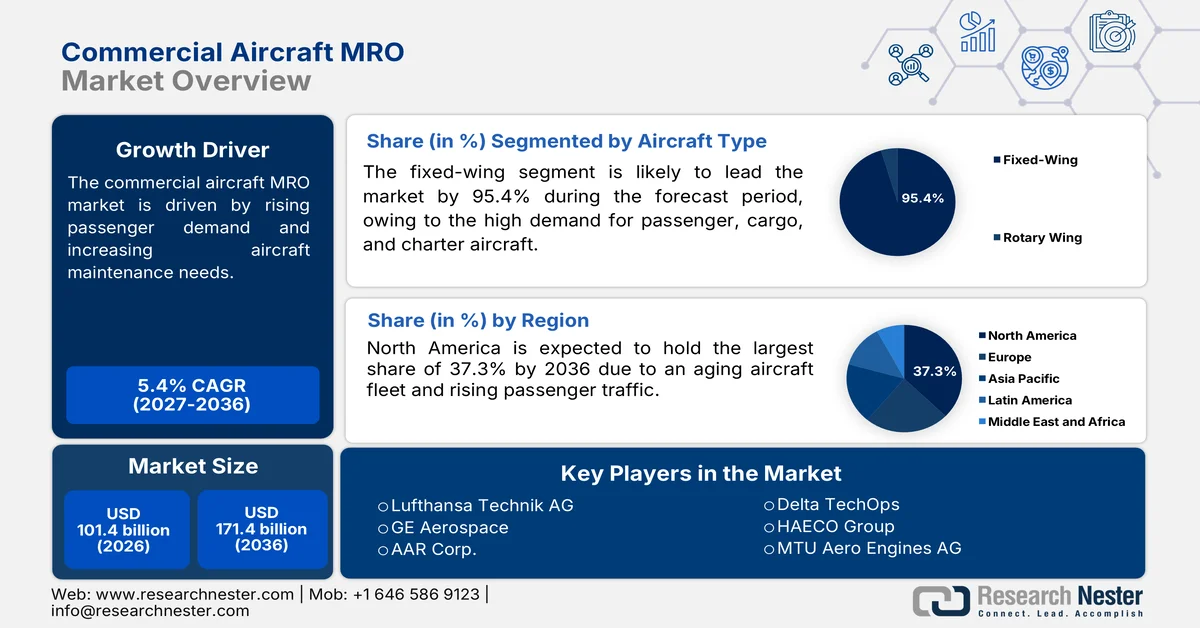
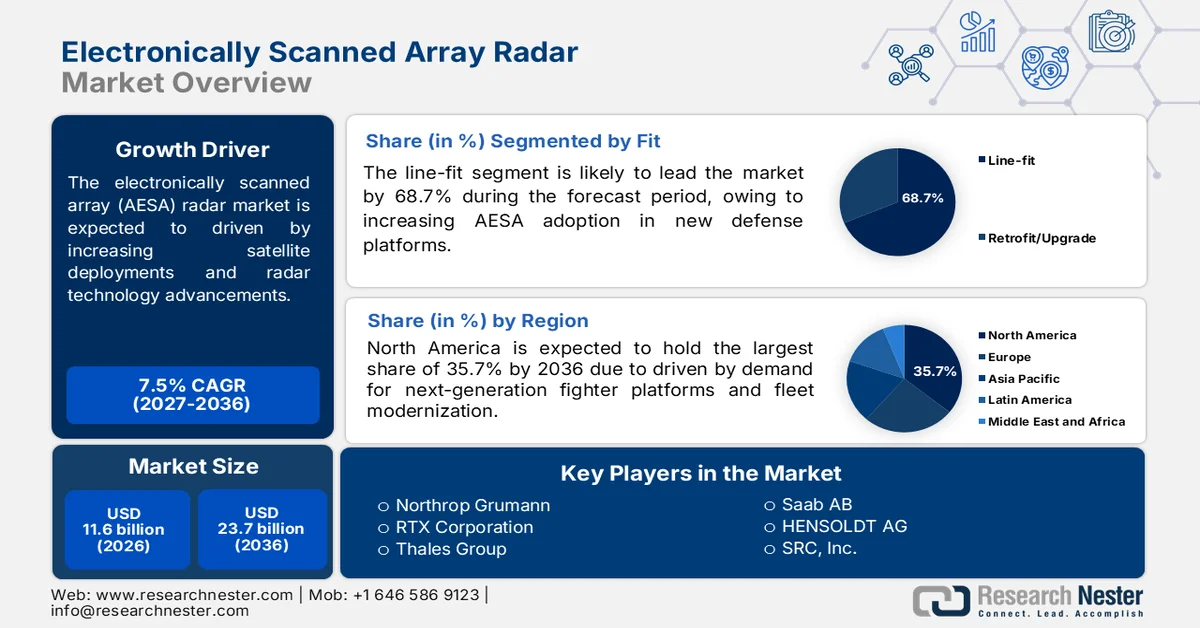
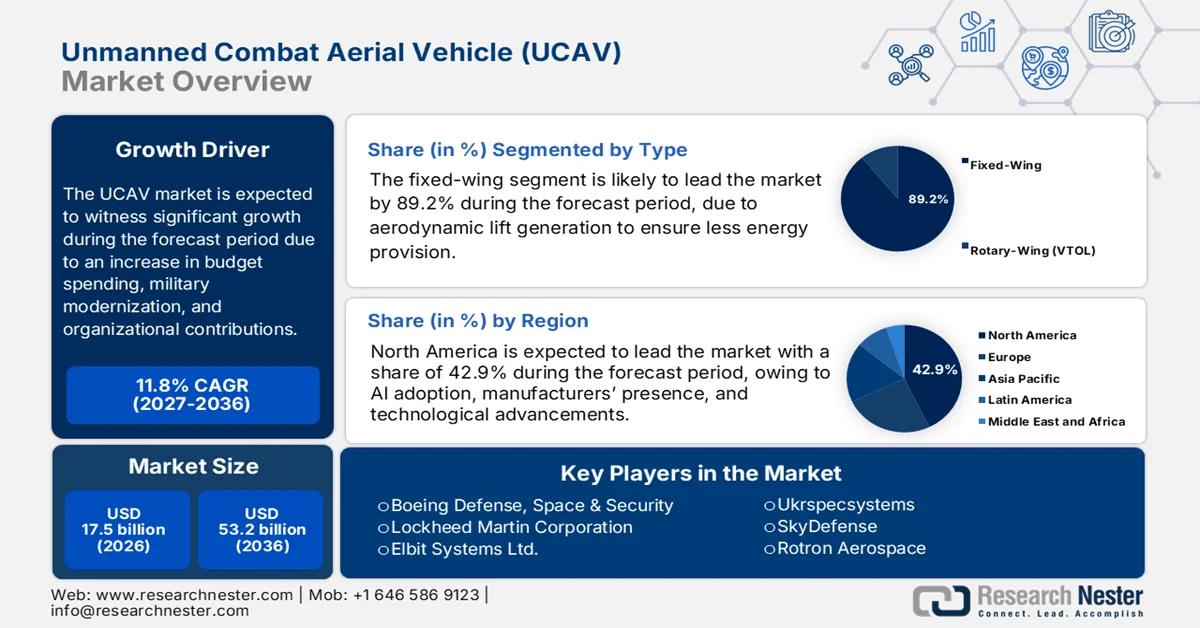
Our exhaustive market research reports on the aerospace, marine, and defense industry render businesses a key market leading edge in the fast-evolving landscape. By scrutinizing the key trends and other emerging technologies, our reports enable companies with actionable insights to make informed decisions. We identify upcoming market opportunities and, leveraging our research, businesses can anticipate the shifting trends and evaluate potential partnerships. Well curated for the defense contractors, aerospace manufacturers, or marine technology providers, or reports render the intelligence required to lower the risks and seize opportunities. Our in-depth market research reports provide businesses with a 360-degree view of the AMD landscape, covering aerospace innovations, defense modernization programs, and naval fleet expansions
Various companies are investing in the AMD industry owing to economic and strategic factors. There are rapid advancements in aerospace technology, including unmanned systems and next generation aircrafts. These are opening the latest commercial opportunities for the market players. There is a surge in worldwide global security concerns and burgeoning defense budgets across countries, driving the demand for modern naval fleets and cybersecurity solutions. For instance, according to data published by the United Nations, global military spending reached USD 2.7 trillion in 2024. Consequently, the AMD industry continues to attract sustained investment owing to prolonged revenue visibility.
2025 Facts & Figures U.S. Aerospace & Defense

Source: aerospace.org
Latest high-impact investment trends in the Aerospace, Marine, and Defense (AMD) industry
Rising inclusion of cybersecurity and electronic warfare
As modern defense systems are becoming software-driven and hugely interconnected, cybersecurity has emerged as a pivotal aspect for military investment. Today’s naval vessels, drones, satellites, etc., hugely depend on digital communication networks and real-time data to function efficaciously, which also makes them susceptible to cyberattacks. Governments all across the world are emphasizing secure communication. The need for recurring software upgrades and robust government backing makes the market highly attractive and lucrative for defense and technology companies. For instance, according to the Center for Strategic & International Studies in December 2024, cyberattacks on entities in the Indian government increased by 138% between the years 2019 and 2023, compelling the government to adopt robust preparedness.
Green technologies in aerospace and marine
Sustainability is emerging as a prolonged investment theme in the AMD industries as a myriad of companies respond to rising fuel costs and increasing environmental expectations. According to the International Energy Agency in 2023, aviation accounted for 2.5% of the worldwide energy-related carbon dioxide emissions. Manufacturers in the aerospace industry are investing in electric and hybrid propulsion systems and sustainable aviation fuels (SAFs). Similarly, the marine sector is focusing on purchasing energy-efficient ship designs. These green technologies in AMD are strategically pivotal, aiding companies in complying with future environmental regulations and garnering early-mover advantages in sustainable aerospace, naval, and commercial transportation solutions.
CO2 Emissions in Aviation in the Net Zero Scenario, 2000-2030

Source: iea.org
Export-oriented defense manufacturing and offset programs
The export-focused defense manufacturing is attracting investment as both the defense companies and governments are seeking to expand access to the international market while lowering dependence on domestic demand. Numerous importing countries require offset programs, such as technology transfer, as part of defense procurement contracts to create skilled employment. Global defense firms are also investing in local production facilities, joint ventures with regional players, and localized supply chains in various emerging economies, which often offer cost advantages and supportive government policies. According to the Stockholm International Peace Research Institute, the United States is responsible for 43% of the exports of prominent conventional weapons globally between 2020 and 2024. These statistics illustrate the influence and scale of export-oriented defense manufacturing.
SIPRI Data on U.S. Transfers of Major Conventional Weapons (2020-2024)

Source: caat.org
Human enhancements and wearable soldier technologies
Capital allocation in human enhancement and wearable soldier technologies is gaining traction as militaries aim to propel soldier resilience and battlefield awareness. There are advances in exoskeletons and wearable sensors, which allow soldiers to carry out missions effectively while lowering injury risks and fatigue. According to a press release published by Cambridge University Press in 2023, the wearable exosuit testing displayed high operational value. It further stated that 90% of the soldiers reported that utilizing the exosuit, their ability to perform tasks increased. With growing interest in networked and AI-assisted warfare, investment in human enhancement and wearable soldier technologies is not only improving individual soldier performance but also enabling militaries to maintain operational superiority in increasingly complex and high-risk environments.
What We Do
Rising concerns for inflation, fear of recession, contracting revenues, shrinking profit margins, and growing cost pressure on logistics and supply chain has posed a profound stress test for every business organizations globally. We’re helping our clients by delivering integrated solutions based on thorough research, benchmarking, analysis, and strategic discernment to help businesses overcome these challenges and unearth hidden opportunities for sustainable growth and value creation over the coming years.
We have been a pedestal for our clients to embark on a journey towards success.