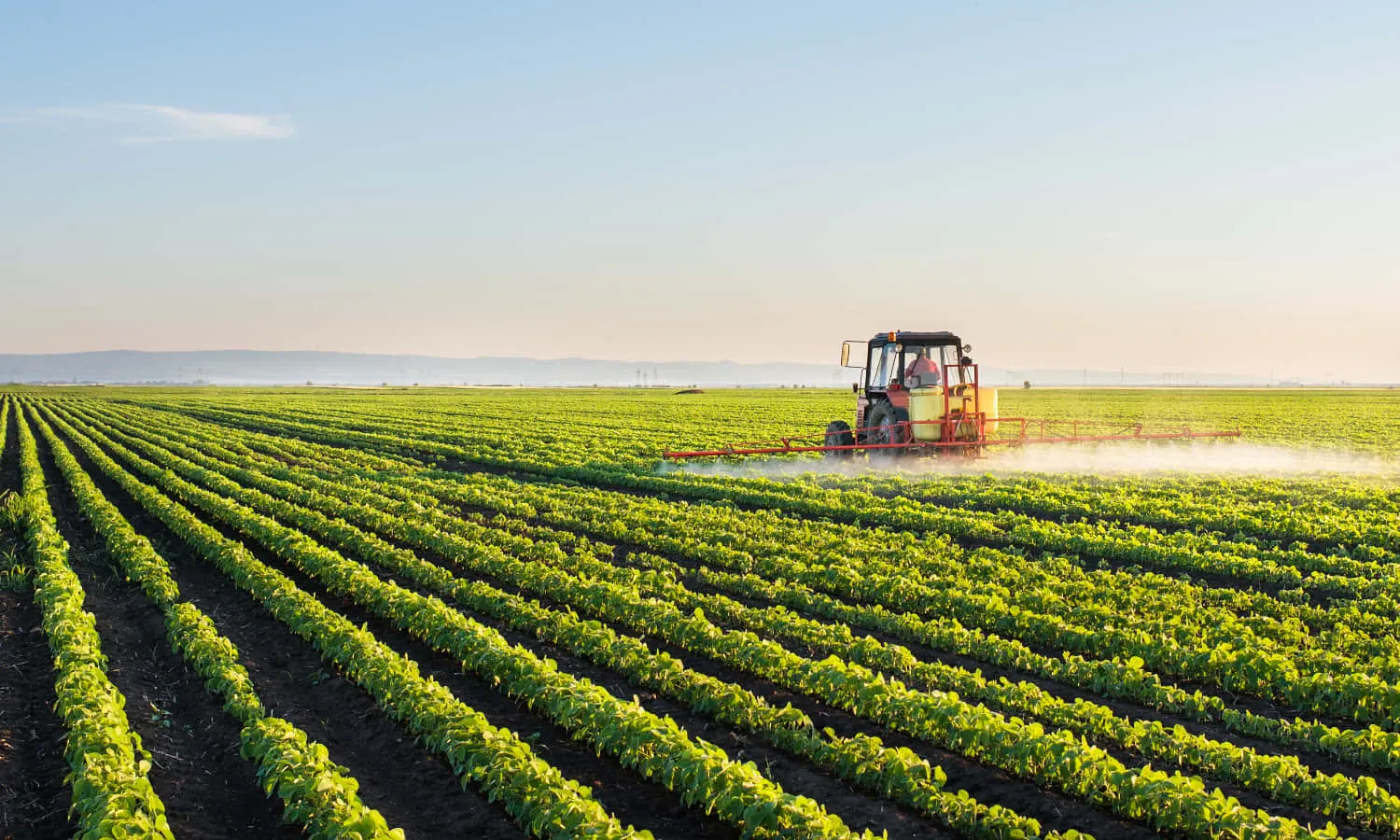
The agriculture industry has become an attractive avenue for the investor to allocate capital to a myriad of sub-segments. According to the Food and Agriculture Organization of the United Nations, the worldwide value added in agriculture in 2023 reached USD 4 trillion. This significant economic contribution reflects the sector’s fundamental role in worldwide GDP and highlights the long-term potential. The amalgamation of AI, satellite imaging, and data analytics is increasing productivity and enhancing crop resilience, thereby augmenting returns. The sector is transforming into an innovation-driven industry in which market players can capitalize on sustainability trends and other financial inclusion models to unravel long-term opportunities.
Latest commercialization trends in agriculture
Smart farming initiatives
Farmers are commercializing advanced technologies based on smart farming to mitigate the risk of profitability. For instance, in 2023, the investment from the World Bank on climate-smart agriculture has reached USD 3 billion. This surge in funding illustrates a global push to advance agricultural practices to increase productivity and income stability. Various insurers and financial companies are also willing to provide credit and crop insurance to the farmers who use data-intensive systems. This means the inclusion of advanced technologies strengthens farmers’ creditworthiness and aids expansion activities. Collectively, the confluence of institutional funding, technological innovation, and surging climate concerns is speeding the commercialization of smart farming solutions.
% of Farms Using Precision Agriculture Technologies by Technology and Farm Type, 2023

Source: USDA
Urban and controlled environment agriculture
The surge in investment in urban and controlled environment agriculture (CEA) is mainly propelled by the rapid urbanization and the requirement for climate-resilient production systems. With the increased share of urban population, agribusinesses and investors are prioritizing vertical farming, green house cultivation, etc. In line with the Food and Agriculture Organization of the United Nations report in January 2025, urban agriculture has significantly evolved into investment attractive business in the last few years, gaining USD 5 billion globally. As technology costs are lowering and the inclusion of automation is improving scalability, urban agriculture is becoming innovation driven segment attracting significant private equity.
Supply chain traceability and inclusion of blockchain in agriculture
Farmers from all across the world are infusing capital into the supply chain traceability systems and other blockchain solutions in the quest to make supply chains more transparency-centric and digitally integrated. The agricultural supply chains are susceptible to delays and spoilage, while the incorporation of traceability systems foster real time tracking of various factors. As stated by the World Resources Institute in November 2024, 40% of the food is wasted or lost along the value chain. The inclusion of traceability systems fosters real-time tracking of storage status, and farmers benefit from better coordination with the distributors. Also, blockchain-based smart contracts automate the transaction after the delivery.
Inclusion of robotics in farms
The incorporation of farm robots is rising as they help solve crucial industry challenges and unravel new efficiencies. Various private companies are also making state-of-the-art robots for garnering strong growth potential and long-term value. For example, in April 2023, a team of scietists have made a modern agriculture robot known as SynRobo, that can prune, sow, and even harvest crops present under the solar panels. The example highlights various wider reasons to adopt robotics, such as operating around the clock and raising precision in tasks. By allocating capital to include robotics, firms are garnering opportunities for recurring revenue via hardware sales, services, and software analytics. Also, farmers get benefits from greater operational efficiency and heightened resistance to risk in a competitive agricultural economy highly driven by technology.
Subsequently, the agriculture sector is an attractive investment attractive ecosystem aided by robust backing from governments. With the priorities on sustainability, food security, and technological integration shaping the landscape, agriculture stands as innovation led industry, rendering prolonged growth potential.
What We Do
Rising concerns for inflation, fear of recession, contracting revenues, shrinking profit margins, and growing cost pressure on logistics and supply chain has posed a profound stress test for every business organizations globally. We’re helping our clients by delivering integrated solutions based on thorough research, benchmarking, analysis, and strategic discernment to help businesses overcome these challenges and unearth hidden opportunities for sustainable growth and value creation over the coming years.
We have been a pedestal for our clients to embark on a journey towards success.